Brick Pavers vs. Concrete Pavers: Key Differences Explained
People searching for brick pavers or concrete pavers installation are typically looking to enhance their outdoor space, and local contractors can expertly handle the installation and help them choose the best option.
If you’re exploring options for enhancing your outdoor space, understanding the differences between brick pavers and concrete pavers can make a significant impact on your project’s success. Property owners in the area often consider these materials for driveways, patios, walkways, and more, each offering unique advantages and aesthetic qualities. Making an informed choice requires knowing how these paver types compare in terms of durability, appearance, and maintenance, which is why many turn to local contractors who specialize in installation services for both options. Keep reading to discover practical insights that can help guide your decision and connect you with experienced professionals ready to bring your vision to life.
Choosing between brick pavers and concrete pavers involves weighing factors like style preferences, longevity, and overall cost. Local service providers can help evaluate your property’s specific needs and recommend the best material based on your goals. Whether you’re drawn to the timeless charm of brick or the versatility and affordability of concrete, understanding the key differences can ensure your outdoor spaces are both functional and visually appealing. Continue exploring this topic to gain clarity and find trusted local contractors who can assist with expert installation tailored to your property.
- Brick pavers installation - suitable for projects where a classic, textured appearance is desired, with local contractors focusing on precise placement and durable joint work.
- Concrete pavers installation - ideal for modern, smooth surfaces that require quick installation, with service providers emphasizing uniformity and structural integrity.
- Brick pavers installation - often chosen for historic restorations or aesthetic landscapes, with local pros applying traditional techniques to enhance visual appeal.
- Concrete pavers installation - used for large-scale driveways or patios that demand strength and low maintenance, with contractors prioritizing efficient, consistent results.
- Brick pavers installation - recommended for detailed patterns and intricate designs, with local service providers skilled in custom layouts and meticulous craftsmanship.
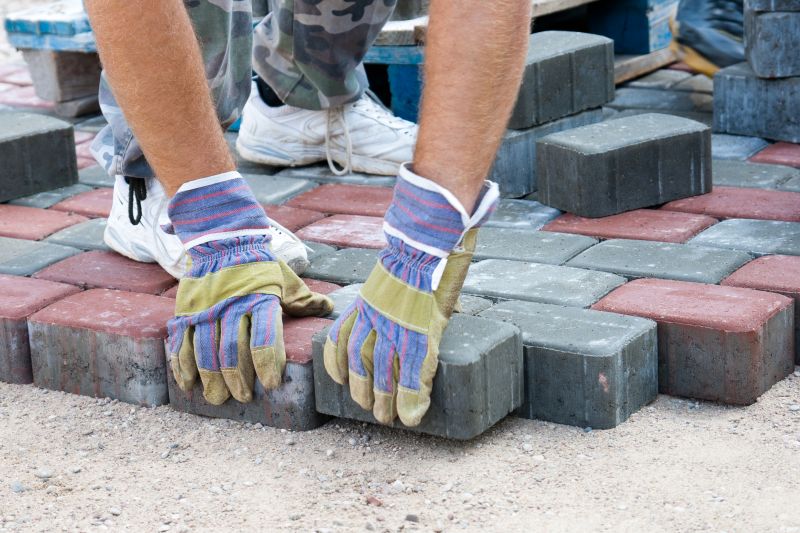
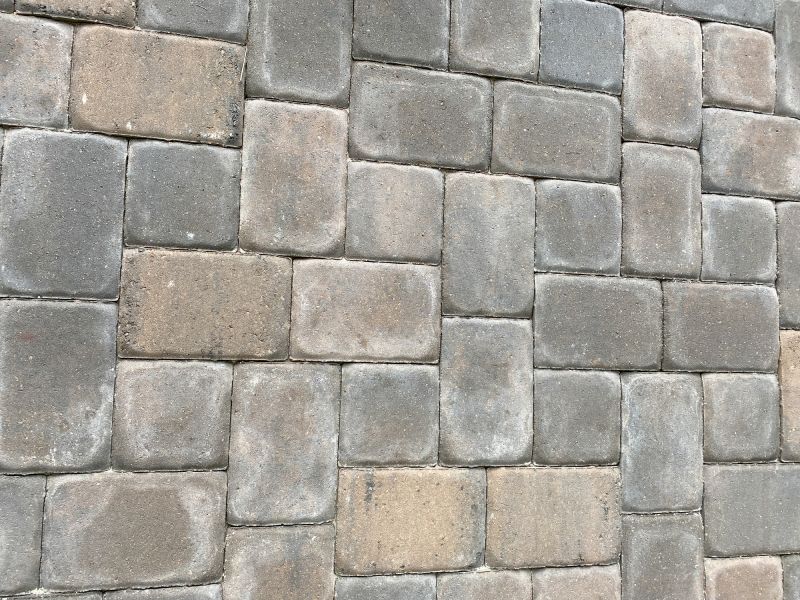
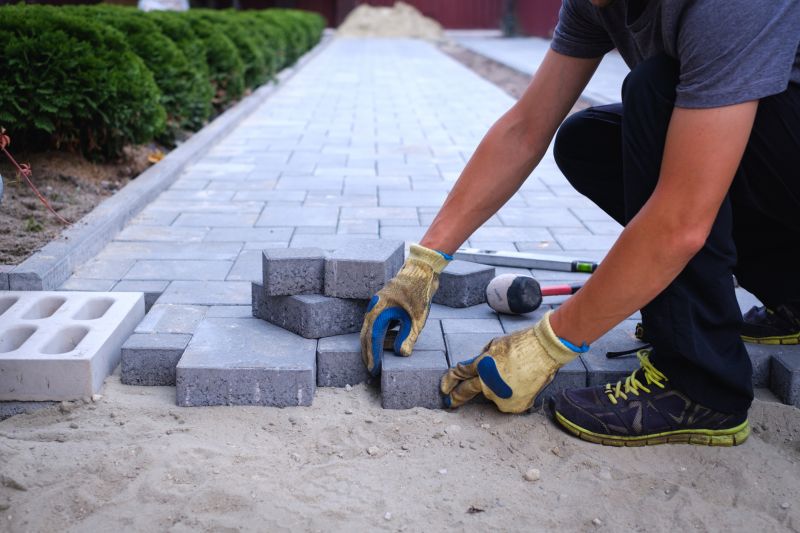
When homeowners search for information on brick pavers vs. concrete pavers: key differences explained, they are often trying to understand which material best suits their outdoor project. This topic typically comes up when planning renovations or new installations for driveways, patios, walkways, or pool decks. People are usually interested in how each material looks, how durable they are, and how much maintenance they require. Understanding these differences helps homeowners make informed decisions that match their aesthetic preferences, functional needs, and long-term expectations for their property.
This comparison is especially relevant for projects that aim to improve curb appeal or create functional outdoor living spaces. Many property owners face challenges choosing between the classic, timeless look of brick pavers and the more versatile, uniform appearance of concrete pavers. These decisions often relate to properties where durability and style are priorities, such as residential homes, commercial buildings, or community spaces. Homeowners may also consider how each material withstands foot traffic, weather conditions, and daily wear, which can influence the longevity and appearance of the paved surfaces over time.
Properties that commonly come up in discussions about brick pavers vs. concrete pavers include single-family homes, multi-unit residential complexes, retail storefronts, and public parks. These types of properties typically require durable, attractive paving solutions that can handle regular use and exposure to the elements. Homeowners and property managers often seek the expertise of local contractors who specialize in installing these materials, ensuring the finished project aligns with their design goals and functional needs. These professionals can provide guidance on choosing the right material based on the property's specific conditions and the desired aesthetic.
Understanding the key differences between brick and concrete pavers helps property owners identify the best options for their projects. Brick pavers are known for their classic, timeless appeal and natural variation in color and texture, making them a popular choice for traditional or historic-style properties. Concrete pavers, on the other hand, offer greater versatility in shape, color, and size, often making them suitable for modern or contemporary designs. Local service providers skilled in installing both types can help evaluate the property's conditions, recommend suitable materials, and deliver a durable, attractive finished surface that meets the homeowner’s expectations.
Patio and walkway installations - local contractors experienced in paver projects can help design and install patios and walkways using similar techniques as brick and concrete pavers, ensuring durability and aesthetic appeal.
Driveway paving projects - experts skilled in paver installation can handle driveway surfaces, applying comparable planning and tools used for brick pavers vs. concrete pavers to achieve long-lasting results.
Landscape edging and borders - professionals can install paver borders that require similar planning, leveling, and material handling skills as those needed for driveway or patio pavers.
Outdoor staircases and steps - local service providers can construct staircases with pavers, utilizing comparable techniques for stability and design as in other paver installation projects.
Pool deck surfacing - specialists can create safe, slip-resistant pool decks with pavers, applying similar skills used in installing pavers for various outdoor surfaces.
Retaining wall construction - experienced contractors can build retaining walls using pavers or similar materials, requiring planning and tools aligned with those used in paver installation services.
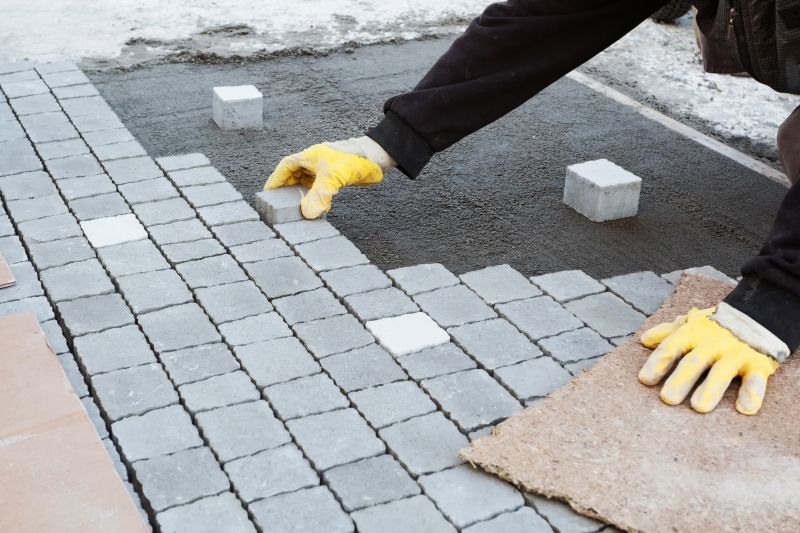
When comparing service providers for brick pavers versus concrete pavers installation, it is important to consider their experience with similar projects. Homeowners should inquire whether potential contractors have a proven track record working with the specific materials they are interested in. A contractor’s familiarity with the unique installation requirements and challenges associated with brick pavers or concrete pavers can significantly impact the quality and durability of the finished project. Reviewing portfolios or requesting references from previous clients who had comparable work done can provide insight into a contractor’s expertise and reliability in handling these specific paving materials.
Clear, written expectations are essential when choosing a local contractor for paving projects. Homeowners should seek detailed proposals that outline the scope of work, materials to be used, and the specific responsibilities of the service provider. This helps ensure there is a shared understanding of the project’s goals and reduces the likelihood of misunderstandings or surprises during the process. A reputable contractor will also be able to explain the differences between brick pavers and concrete pavers in terms of installation procedures, maintenance, and long-term performance, helping homeowners make informed decisions aligned with their preferences and needs.
Effective communication and reputable references are crucial factors when selecting local contractors for paving services. Homeowners should prioritize providers who are transparent, responsive, and willing to answer questions about the differences between brick pavers and concrete pavers, as well as their experience with each. Asking for references from past clients who had similar projects can help verify the contractor’s professionalism and quality of work. Good communication ensures that expectations are managed throughout the process, and reputable references can provide confidence that the contractor can deliver results that meet or exceed standards for durability and appearance in paving projects.
Get a Quote for Brick Pavers Or Concrete Pavers Installation
Property owners often search for brick pavers vs. concrete pavers: key differences explained when they are planning practical projects around their homes and businesses. Local pros provide Brick Pavers or Concrete Pavers Installation services for everyday jobs and straightforward project options.
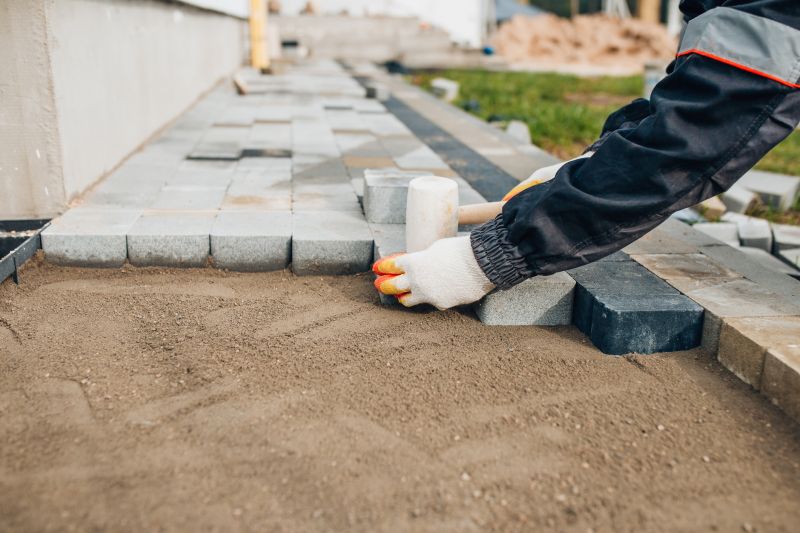
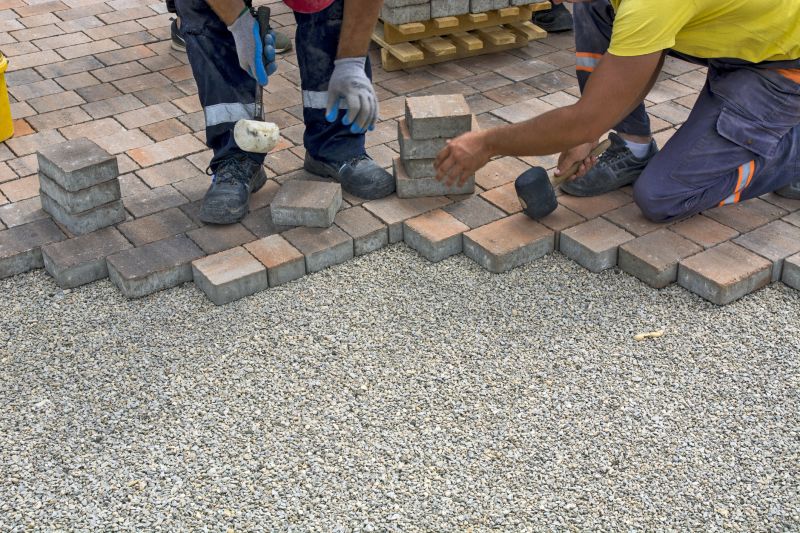
Homeowners exploring options for outdoor surfaces often look into the differences between brick pavers and concrete pavers to determine which material best suits their needs. Brick pavers are known for their classic, timeless appearance and natural variation in color and texture, making them a popular choice for those seeking a traditional or decorative look. Concrete pavers, on the other hand, offer a more uniform appearance and can be customized in various shapes, sizes, and colors, providing versatile options for modern or contemporary designs. When considering installation, many property owners in the area turn to local contractors who specialize in either material to ensure the job is done properly and to achieve the desired aesthetic.
Choosing between brick pavers and concrete pavers often depends on practical factors such as durability, maintenance, and style preferences. Brick pavers tend to be more resistant to shifting and cracking over time, making them suitable for high-traffic areas or spaces that require long-lasting performance. Concrete pavers can be more affordable and quicker to install, which appeals to those looking for a cost-effective solution. Property owners frequently seek out local service providers who can advise on these key differences and handle the installation, ensuring the chosen material enhances both the function and appearance of outdoor spaces.
Get a Quote for Brick Pavers Or Concrete Pavers Installation
What are the main aesthetic differences between brick pavers and concrete pavers? Brick pavers offer a classic, timeless look with natural color variations, while concrete pavers can be customized in a wide range of colors, shapes, and patterns, providing more design flexibility.
How do durability and strength compare between brick pavers and concrete pavers? Brick pavers are generally durable and resistant to cracking, but concrete pavers tend to be stronger and better suited for high-traffic areas due to their uniform composition.
Are there differences in installation processes for brick versus concrete pavers? Yes, brick pavers often require careful placement to ensure tight joints and a level surface, whereas concrete pavers are typically easier to install with consistent sizing and easier handling for local contractors.
Which type of paver is better suited for areas prone to shifting or ground movement? Concrete pavers usually perform better in areas with ground movement because they can flex slightly, while brick pavers may be more susceptible to cracking under shifting conditions.
Can local installation services help decide between brick and concrete pavers for specific project needs? Absolutely, local contractors can assess site conditions and provide guidance on which type of paver best matches the desired look, durability, and installation requirements.
Durability and Maintenance - Property owners can choose brick or concrete pavers based on the durability needed for high-traffic areas and the ease of maintenance, with local contractors providing guidance on best options.
Design Flexibility - Homeowners interested in unique patterns or custom colors can work with local service providers to select pavers that match their aesthetic preferences.
Installation Considerations - Those planning outdoor projects like patios or walkways can consult local pros about the best installation techniques for each type of paver to ensure longevity.
Cost and Material Choices - Property owners can explore different material options and costs by discussing project goals with local contractors experienced in both brick and concrete pavers.
If you are thinking about brick pavers vs. concrete pavers: key differences explained for a property, this guide is meant to help you understand this topic, the typical project types, and how different options might fit your plans.
When you are ready, you can use the quote form on this page to share a few details about your project. From there, local pros can review the basics and follow up with options that match what you have in mind.
Get a Quote for Brick Pavers Or Concrete Pavers Installation